

 Send an inquiry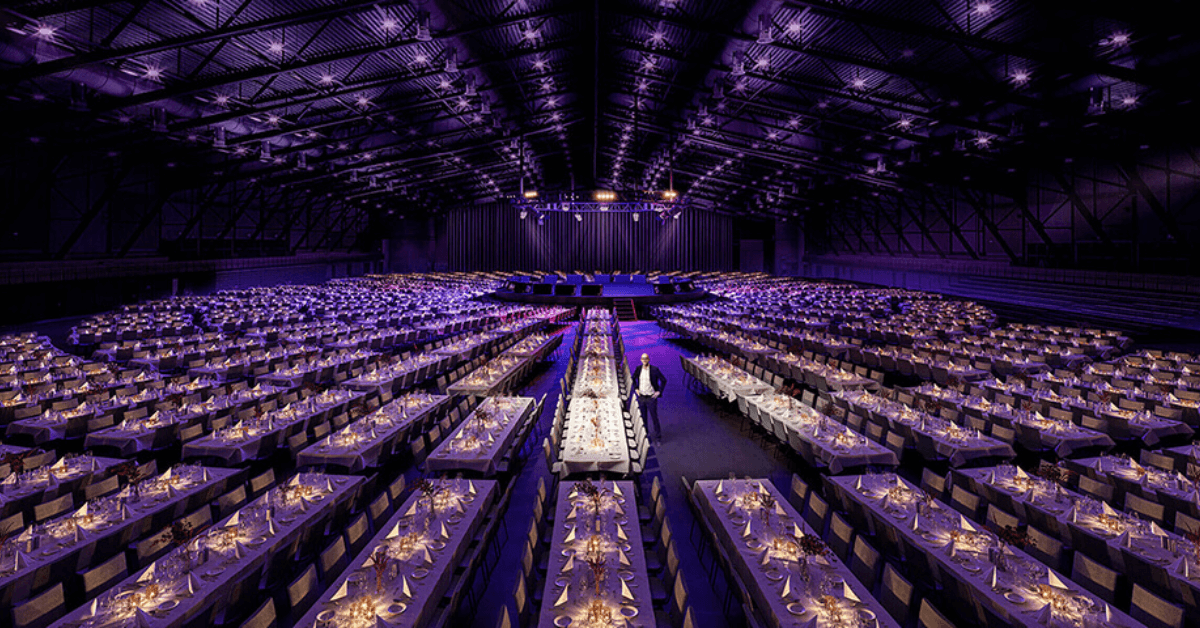
Planning the food service for a major event requires just as much preparation as the technical production. Great food is not just a practical necessity, it is an essential part of the overall guest experience.
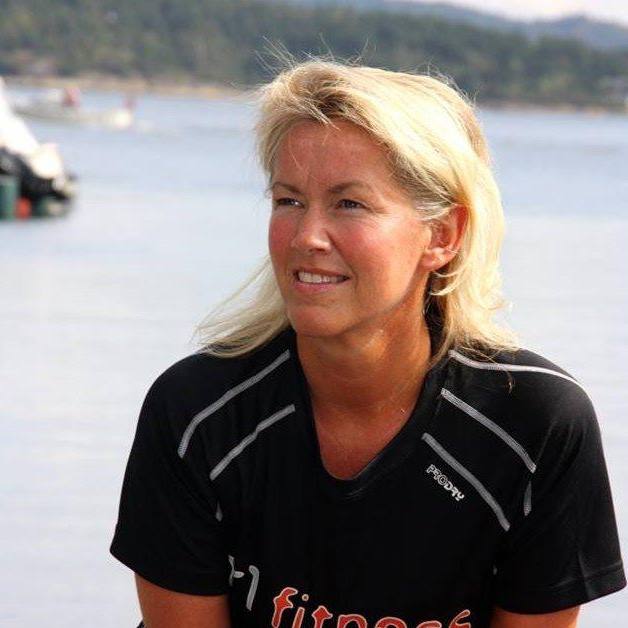
Hilde Pettersen is a Project Coordinator in the Food & Beverages department at Oslofjord Convention Center.
What was it like working on an event of this scale?
This is exactly the kind of event I enjoy working on – it’s challenging, exciting and incredibly rewarding. For this event, we also worked closely with an event agency, which made it even more important to ensure everyone had the same expectations from the very beginning. We had to balance the customer’s wishes, the agency’s ideas and what was actually possible to deliver for an event of this size. It’s demanding work, but it’s also professionally rewarding and definitely worth the effort.
How long does it take to plan an event of this magnitude?
Planning starts several months in advance. Ideally, we like to have four to six months to make sure every detail is covered and everything is thoroughly prepared.
How did you develop the different catering concepts?
We worked closely with the event agency throughout the planning process to ensure the catering matched both the customer’s expectations and the programme for each part of the event. Logistics are just as important as the menu itself. We have to consider everything from kitchen capacity and food preparation to heating capacity and service logistics.
The catering concepts also have to be realistic for an audience of this size. In addition to the gala banquet, we created several food stations serving different meals throughout the event, while every guest also received breakfast packs in their accommodation.
Sustainability was another important priority for the customer. There was a strong focus on vegetarian options, environmentally friendly packaging and recycling, all of which influenced the menus and catering concepts we developed.
How did you finalise the menu for the Saturday banquet?
We held two tasting sessions and worked closely with the customer throughout the process. Because expectations were aligned from the start, we were able to agree on the menu and overall catering concept relatively quickly.
What was served at the banquet?
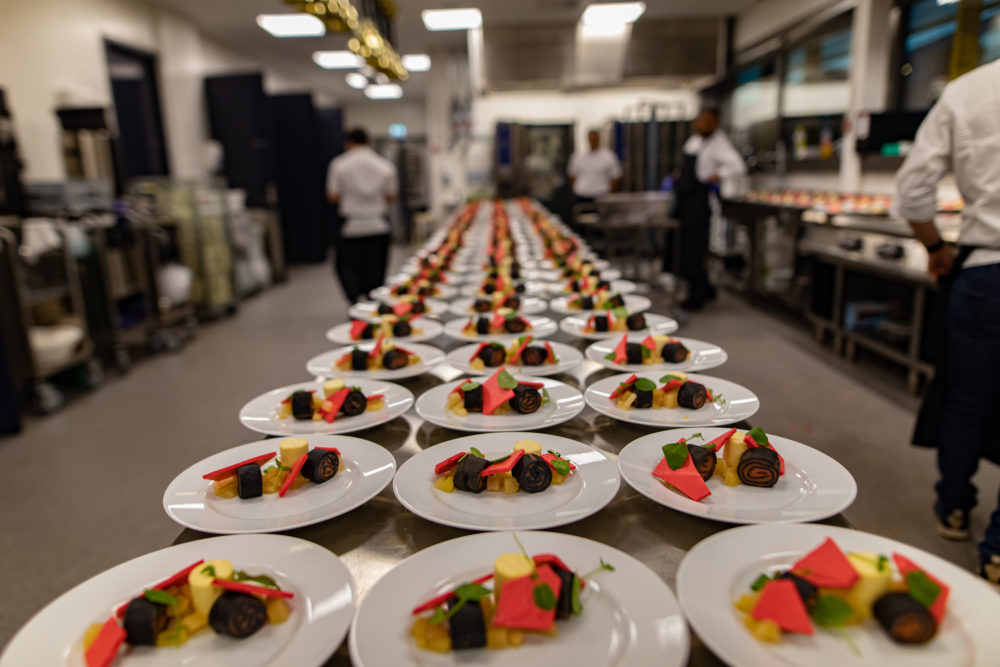
Starter: Salmon tataki with salad and green dill emulsion.
Main course: A sharing-style menu featuring red pork-marinated pork tenderloin, garlic-marinated chicken thighs, grilled vegetables, potato salad, Béarnaise sauce and BBQ sauce.
Both the starter and main course were also available as vegetarian alternatives.
Dessert: Macaroons.
The starter was already on the tables when guests arrived, while the main course was kept warm in heated holding cabinets until service. Because so much of our usual back-of-house space was occupied by the event itself, we chose a sharing-style service for the main course. It was the most efficient solution given the space available.
How many people were involved in food and beverage service during the Saturday banquet?
More than 220 service staff and 60 chefs worked across 17 different service zones. In addition, we had around 30–40 bartenders.
Everything is planned in advance, right down to the smallest detail. Equipment is labelled by zone, and every member of staff knows exactly where they will be working. In many ways, it’s like operating 17 separate restaurants at the same time.
We also had around 40 people dedicated solely to clearing tables. It was a huge operation. Even that was carefully planned, with parts of the underground parking facility at Oslofjord Arena converted into dedicated washing, sorting and recycling areas.
How long did it take to serve the main course?
Serving the main course took just over 20 minutes. The sharing-style service helped us serve all guests more efficiently.
How much tableware was used during the banquet?
Around 70,000 individual items, including:
-
14,000 plates
-
28,000 pieces of cutlery
-
28,000 glasses and coffee cups
More than just a banquet dinner
The gala banquet was only one part of the catering operation. In addition to the banquet dinner and breakfast packs delivered to every room, guests were served a total of 17 different meals throughout the event.
The menu included a wide variety of options, such as wraps, baguettes, fruit cups, chilli con carne and chilli sin carne, pulled duck salad, chicken curry and even popsicles.
Were you ever worried that something might not go according to plan?
Not particularly. We’ve organised events like this many times before, so we know what it takes to make them successful. That said, I always have a few butterflies before an event starts. There are always things you can’t plan for, such as a power outage or a technical issue. Large events are inherently unpredictable, so being able to adapt quickly is essential.
Did anything actually go differently than planned?
Yes, one thing did. Guests arrived at the Arena slightly earlier than scheduled for the Saturday banquet. About ten minutes before we were due to open the doors, people had already started arriving. We were still putting the finishing touches on the venue and serving staff were placing the starters on the tables. It was a hectic few minutes, but thanks to a fantastic team effort everything was ready in time, and the evening went very smoothly.
What do you enjoy most about working on events of this size?
It’s the scale of it all. There’s a real sense of excitement, and that’s what makes it so rewarding. The larger the event, the smaller the margin for error. A tiny mistake, multiplied by 7,000 guests, suddenly becomes a big issue.
At the same time, it’s incredibly satisfying when everything comes together. My job is all about creating a great experience for our guests, and seeing thousands of people enjoy themselves makes all the planning and hard work worthwhile.